
Late updated: 05 Dec 2025 15:12
Written by: Amber Collins
Eco-Friendly Materials For UK Product Packaging: Innovations In Sustainable Solutions
In today's world, the environmental impact of product packaging is a pressing concern. With increasing awareness, businesses and consumers are prioritising sustainable solutions. Eco-friendly materials for UK product packaging are not just an option; they are a necessity to reduce waste and promote a greener future. By selecting materials like recycled paper, biodegradable plastics, and plant-based options, we can significantly minimise environmental harm.
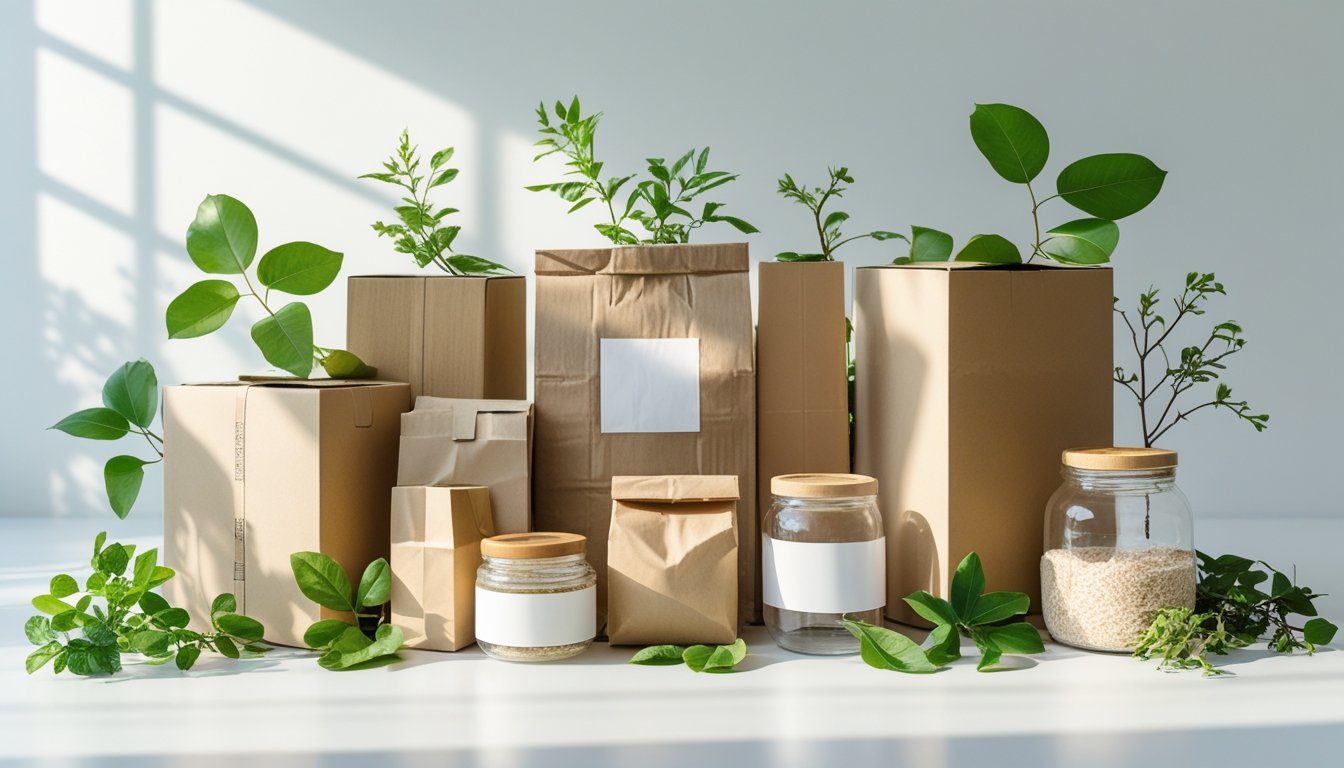
In the UK, regulations and initiatives are driving businesses to adopt sustainable practices. The introduction of the Plastic Packaging Tax and Extended Producer Responsibility regulations have been pivotal in encouraging companies to shift towards greener packaging alternatives. This legislative pressure, coupled with consumer demand, is transforming how we view packaging.
Interest in innovative, sustainable packaging solutions is growing. Companies are now exploring advanced materials and technology to maintain product integrity while embracing eco-friendly principles. The future of packaging looks promising, with more businesses taking on the challenge to meet ecological goals and set new standards.
Key Takeaways
- Eco-friendly materials are crucial for reducing packaging waste.
- UK regulations are driving the shift toward sustainable packaging.
- Innovation is key to achieving greener packaging solutions.
Core Eco-Friendly Materials for UK Product Packaging

In the UK's journey towards sustainable packaging, several key materials stand out for their eco-friendliness. Among these are recycled cardboard, innovative plant-based options, and even fungi-derived materials. Each offers unique benefits for businesses aiming to minimise environmental impact while maintaining functionality.
Recycled Cardboard and Corrugated Paper
Recycled cardboard and corrugated paper play a pivotal role in sustainable packaging. These materials are composed of reused fibres, reducing the need to harvest new resources. Cardboard boxes and corrugated sheets offer sturdy protection and are widely used for shipping and storage. As they are easily recyclable, they create a closed-loop system that aligns with environmental goals. Their adaptability also means they can be customised in size and strength, accommodating various product types while maintaining sustainability.
Paper Void Fill and Paper Bubble Wrap
These paper-based alternatives serve as crucial protective elements inside packaging. Paper void fill provides cushioning, preventing movement and damage during transit. Made from recycled fibres, it decomposes more easily than plastic counterparts. Paper bubble wrap offers a similar cushion, mimicking traditional bubble wrap while being biodegradable. These materials allow businesses to maintain product safety in a sustainable manner. By using these biodegradable options, we make informed choices that protect both products and the environment effectively.
Compostable Plant-Based Materials
Compostable plant-based materials are emerging as game-changers in eco-friendly packaging. Derived from renewable resources like cornstarch, sugarcane, and other plant fibres, these materials break down naturally without leaving harmful residues. Plant-based plastics, such as PLA (polylactic acid), provide the durability and transparency of conventional plastics but with the added benefit of biodegradability under industrial composting conditions. This makes them suitable for food packaging and disposable items. By transitioning to these materials, we support waste reduction and contribute to a circular economy.
Mushroom-Based Packaging
Mushroom-based packaging represents an innovative leap in the packaging industry. Created from agricultural waste and mycelium—the root structure of fungi—this material is naturally insulating and can be moulded into various shapes. It's fully compostable and breaks down quickly in soil without impacting the environment negatively. Mushroom packaging is particularly suitable for protective structures, offering a sustainable alternative to polystyrene. By embracing such cutting-edge materials, businesses have the opportunity to use packaging that not only protects their products but also nurtures our planet.
Innovative Solutions and Practical Alternatives in Sustainable UK Packaging
In the UK, sustainable packaging is gaining momentum with businesses increasingly embracing eco-friendly alternatives. This shift is motivated by a desire to reduce plastic waste and enhance sustainability in packaging practices.
Eco-Friendly Packaging Solutions for Businesses
Eco-friendly packaging solutions are essential for businesses aiming to reduce their environmental impact. Companies like Mondi are pioneers, focusing on renewable materials and responsible sourcing. They offer a vast array of sustainable products, such as plant fibre meal boxes, which are designed to minimise waste.
Businesses can also explore bioplastics, which are made from renewable biomass sources, for a greener alternative to traditional plastics. Recyclable materials and packaging designed for reuse are becoming common, allowing companies to reduce their carbon footprint. Recycled cardboard packaging is another popular choice, offering robustness and easy recyclability.
Replacing Plastic Bubble Wrap and Tape
Plastic bubble wrap is a significant contributor to plastic waste. Many businesses are now opting for paper-based alternatives. These solutions include padded mailers made from recycled paper that provide protection without plastic. Furthermore, corrugated bubble wrap is an emerging option, combining the cushioning properties of bubble wrap with the eco-friendliness of cardboard.
When it comes to tape, plastic variants are gradually being replaced with paper tape. Featuring environmentally friendly adhesives, paper tape is both robust and recyclable. These alternatives are not only sustainable but also offer competitive durability and effectiveness, making them viable replacements for conventional wrapping materials.
Trends in Sustainable Packaging Products
Sustainable packaging is evolving with several notable trends. One trend is the rise of refillable bottles and packaging-free innovations. Products like solid bars and concentrated forms are being marketed in packaging-free formats, appealing to eco-conscious consumers.
Another trend involves using innovative materials like recycled cooking oil for chip bags. Such products are designed to enhance recycling and reuse, promoting a circular packaging economy. Sustainable materials are also advancing, with initiatives focusing on improving the affordability and accessibility of eco-friendly options. These innovations align with the increasing demand for solutions that reduce the environmental impact of packaging.
Frequently Asked Questions

In this section, we address several common questions regarding eco-friendly packaging materials in the UK. Understanding factors like sustainability, certifications, and cost-effectiveness of various packaging options is crucial for businesses aiming to reduce their environmental impact.
What are the most sustainable materials currently used in UK product packaging?
Notable sustainable materials in the UK include plant-based plastics, biodegradable paper, and compostable biopolymers. These materials are chosen for their environmental benefits and compatibility with existing recycling systems.
How do biodegradable materials compare to recyclable ones in terms of environmental impact?
Biodegradable materials break down naturally, minimizing waste accumulation. Recyclable options, meanwhile, support material reuse, reducing the need for new resources. Each has its advantages, contingent upon the specific application.
What certifications should I look for to ensure packaging materials are truly eco-friendly?
Look for certifications such as FSC (Forest Stewardship Council) for wood and paper products, and the ‘OK compost’ label for compostable materials. These ensure the materials meet stringent environmental standards.
Can eco-friendly packaging options be cost-effective for small businesses in the UK?
Eco-friendly packaging can be cost-effective, especially when considering long-term benefits and consumer demand for sustainable choices. Group purchasing or collaborating with other small businesses can help lower costs.
What innovations in packaging materials promise to reduce the UK's carbon footprint?
Innovations include the development of algae-based plastics and mushroom mycelium as sustainable alternatives. These materials require fewer resources and have a smaller environmental footprint compared to traditional plastics.
How does the use of compostable packaging materials benefit waste management in the UK?
Compostable materials can reduce landfill waste by breaking down into organic matter. This supports UK waste management goals by diverting biodegradable waste from landfills, thus decreasing methane emissions.