
Late updated: 09 Dec 2025 09:12
Written by: Amber Collins
The Impact Of Electric Vehicles On UK Sustainability: Driving Environmental Change
Electric vehicles (EVs) are at the forefront of transforming the landscape of UK sustainability by significantly reducing carbon emissions and improving air quality. As we embrace cleaner technologies, it's clear that EVs offer a promising pathway to achieve the UK's ambitious net-zero emissions targets. This shift to sustainable transport platforms not only aids environmental goals but also presents economic opportunities and social benefits.
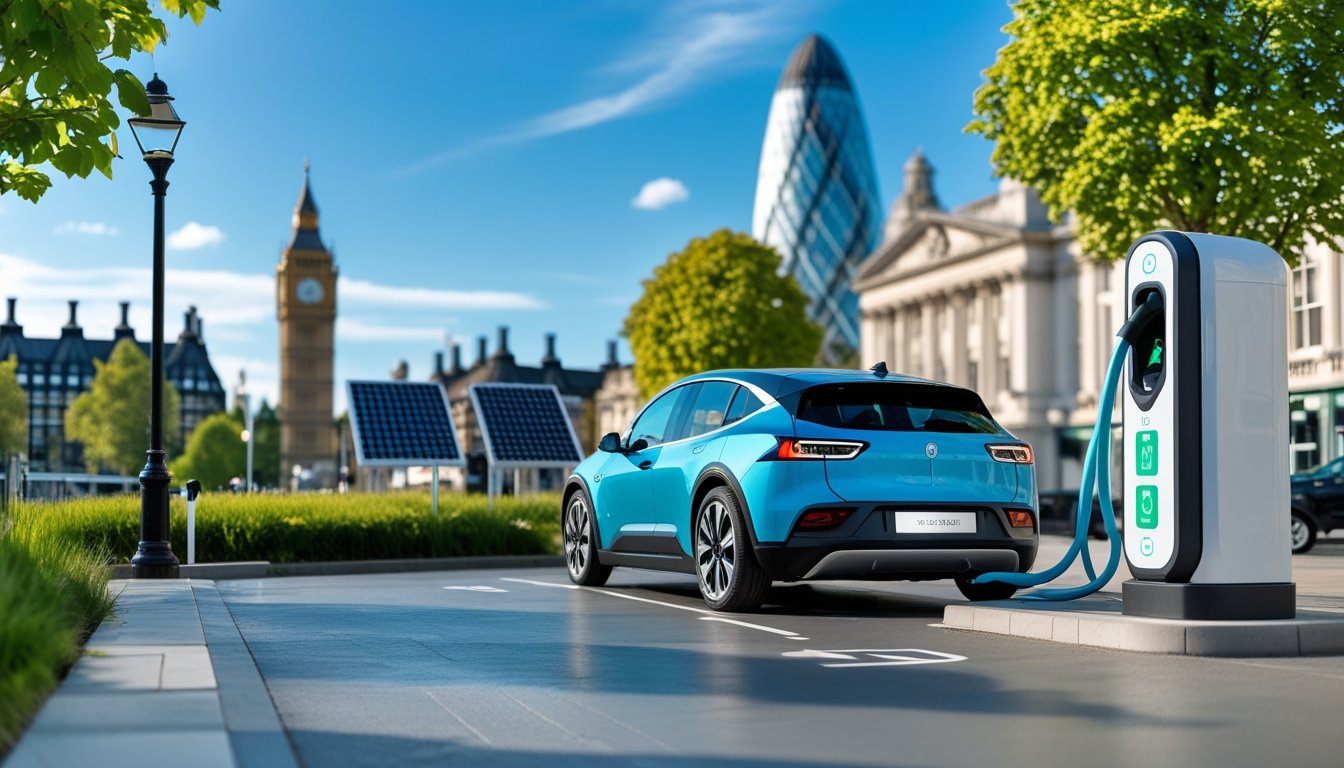
The benefits of electric vehicles are evident in their potential to decrease the carbon footprint of the transportation sector, a considerable source of pollution in the UK. Supporting infrastructure developments such as charging stations are vital in facilitating the transition to electric vehicles and ensuring widespread adoption. Challenges remain, particularly regarding the sustainability of battery production and recycling, as well as charging infrastructure accessibility.
Electric vehicles stand out as a pivotal component in advancing the UK's sustainability goals, offering a cleaner, greener future for all. As we explore this critical topic, it's essential to consider not only the environmental impacts but also the social and economic dimensions of this transformative movement.
Key Takeaways
- Electric vehicles help reduce UK's transportation emissions.
- Critical challenges include battery sustainability and infrastructure.
- EVs are essential for achieving UK’s net-zero targets.
The Role Of Electric Vehicles In UK Sustainability
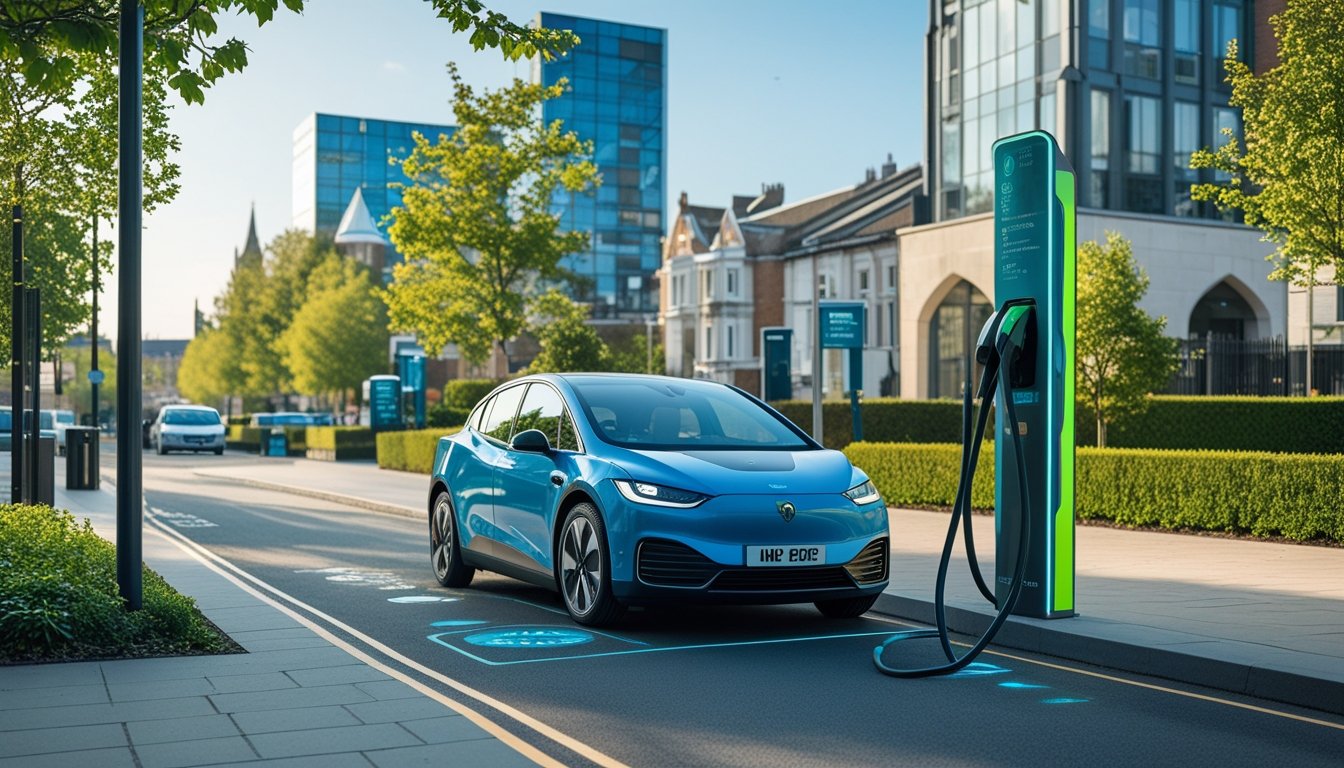
Electric vehicles (EVs) bring significant promise to augment the UK's sustainability by reducing greenhouse gas emissions, supporting market expansion through government incentives, and offering a cleaner alternative to internal combustion engine vehicles.
Reducing Greenhouse Gas Emissions And Air Pollution
Electric vehicles are central to lowering the UK's greenhouse gas emissions and combating air pollution. Unlike traditional vehicles, EVs produce zero tailpipe emissions, which significantly reduces the release of pollutants like carbon monoxide and nitrogen oxides into the atmosphere. This shift to cleaner transport aids in the nation's efforts to combat climate change and enhance urban air quality. In addition, the increased use of renewable energy sources to power EVs contributes to a lower carbon footprint. As the UK continues to expand its renewable energy capacity, the environmental benefits of EVs will become even more pronounced, leading to improved public health and a more sustainable future.
EV Adoption, Market Growth And Government Incentives
The EV market in the UK is witnessing remarkable growth, fuelled by both demand and comprehensive government incentives. The rise in EV sales is supported by financial benefits such as subsidies, tax exemptions, and grants for new buyers. These incentives make EVs more accessible, encouraging widespread adoption among individuals and businesses alike. Additionally, the introduction of clean transport zones in urban areas limits the entry of high-emission vehicles, supporting the push towards electric alternatives. This growth in EV adoption is not only vital for meeting the UK's sustainability goals but also for stimulating innovation and investment in the clean transport sector.
Comparison With Internal Combustion Engine Vehicles
When comparing electric vehicles to internal combustion engine (ICE) vehicles, the environmental advantages of EVs are clear. With the absence of fossil fuel consumption, EVs offer a drastically reduced carbon footprint. While ICE vehicles continue to contribute to high levels of carbon emissions and air pollution, EVs serve as a pivotal option for the transition to sustainable transport. Furthermore, plug-in hybrid electric vehicles (PHEVs) and hybrid electric vehicles provide a flexible bridge for those transitioning from traditional vehicles. As technology advances, the initial higher cost of EVs is expected to decline, further enhancing their appeal as a viable alternative to ICE vehicles.
Sustainability Challenges And Opportunities For Electric Vehicles
As the UK transitions to electric vehicles (EVs), several sustainability challenges and opportunities arise. These cover the use of raw materials in battery manufacturing, energy consumption during the vehicle lifecycle, integration with renewable energy sources, and the management of battery disposal.
Battery Manufacturing, Raw Materials And Resource Extraction
The manufacturing of batteries for electric vehicles presents both hurdles and prospects. The extraction of essential materials like lithium, nickel, cobalt, and manganese is crucial for battery production but poses environmental concerns. Sustainable mining practices and advanced battery technologies are essential to minimizing ecological footprints. Companies like Polestar focus on ethical sourcing and innovative methods to reduce environmental impacts. Recycling and reuse of materials are critical to reducing reliance on resource extraction. New technologies may enhance the performance and sustainability of lithium-ion batteries, offering a pathway to more eco-friendly battery solutions.
Lifecycle Energy Consumption And The Electricity Grid
Understanding the entire lifecycle energy consumption of EVs is important for measuring sustainability. While EVs are often praised for lower emissions, significant attention is needed on electricity sources. Integrating cleaner energy like wind and solar into the electricity grid can reduce greenhouse gas emissions over an EV's lifetime. Our energy transition strategy should focus on cleaner electricity sources, ensuring that EVs provide environmental benefits throughout their life. The electricity grid must become more resilient and capable of supporting a growing number of electric vehicles.
Charging Infrastructure And Renewable Energy Integration
Charging infrastructure plays a pivotal role in the sustainability of electric vehicles. The development of widespread and efficient charging networks is necessary for facilitating the widespread adoption of EVs. There's an opportunity to integrate renewable energy directly into charging stations, such as using solar panels to supply power. Expanding fast-charging networks allows users to employ EVs in a more flexible manner, encouraging broader adoption and use of renewable energy. This infrastructure is a crucial component in decreasing reliance on fossil fuels and ensuring a greener future.
End-Of-Life: Battery Recycling, Second-Life Use And Waste
The end-of-life phase for EV batteries opens both challenges and opportunities in sustainability. Effective battery recycling schemes are necessary to recover valuable materials, like lithium and cobalt. Developing second-life applications, such as energy storage solutions, extends battery utility beyond vehicle use. Proper disposal without effective recycling contributes to waste, but advancements in recovery technologies can mitigate these impacts. Addressing these elements will help reduce environmental waste and improve the lifecycle sustainability of electric vehicles.
Frequently Asked Questions
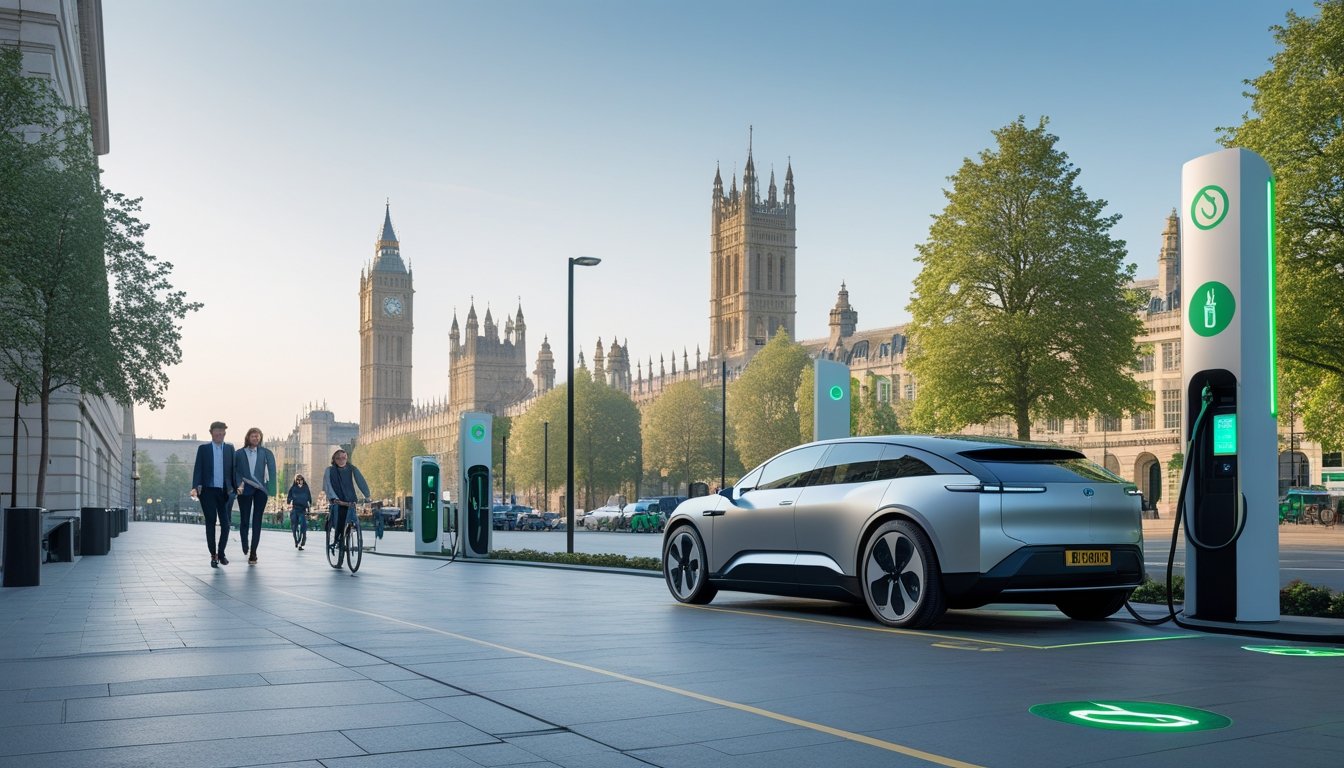
Electric vehicles (EVs) are transforming the landscape of UK transportation by offering substantial environmental benefits and playing a pivotal role in achieving national climate goals. Our discussion addresses critical aspects like emission reduction, energy demand, and government incentives.
How are electric vehicles contributing to the reduction of carbon emissions in the UK?
Electric vehicles are instrumental in cutting down carbon emissions as they produce no tailpipe emissions. The shift from petrol and diesel to electric significantly reduces the release of greenhouse gases. Even when considering the emissions from electricity generation for EV charging, the net emissions are still lower compared to traditional vehicles.
What are the environmental benefits of adopting electric vehicles over traditional petrol or diesel cars in the UK?
Adopting EVs leads to decreased air pollution, especially in urban areas where vehicle emissions are a major concern. By eliminating exhaust emissions, EVs contribute to cleaner air and a reduction in health-related issues caused by pollution. They also facilitate the transition to a more sustainable energy mix as they can be charged using renewable energy sources.
How is the UK power grid adapting to the increased demand from electric vehicle charging?
The UK power grid is evolving to support the surge in EV charging demands. Innovations such as smart charging and the integration of renewable energy are crucial in balancing the load. Investment in infrastructure ensures the grid remains reliable and that charging is efficient and accessible to all EV owners.
What incentives are available to UK consumers to encourage the switch to electric vehicles?
The UK government offers several incentives to make EVs more appealing to consumers. These include grants for purchasing electric cars, exemptions or reductions in road tax, and incentives for installing home charging points. Such measures are designed to offset initial costs and encourage widespread adoption.
How does the lifecycle of electric vehicles affect overall sustainability efforts in the UK?
The full lifecycle of EVs, from production to disposal, is a key consideration in sustainability efforts. While EVs require substantial resources for battery production, they typically have a smaller carbon footprint over their lifetime compared to internal combustion engine vehicles. Efforts in recycling and repurposing batteries further enhance their sustainability credentials.
What role do electric vehicles play in the UK's strategy to meet its climate targets?
Electric vehicles are at the forefront of the UK's strategy to meet its ambitious climate targets. They are central to achieving net-zero emissions by 2050. Policies supporting EV adoption, combined with advancements in technology and infrastructure, are essential for transforming the UK's transportation ecosystem towards a sustainable future.