
Late updated: 05 Jan 2026 14:01
Written by: Amber Collins
Sustainable Transportation Solutions For UK Companies: Improving Efficiency And Reducing Carbon Emissions
Exploring sustainable transportation solutions is essential for UK companies aiming to reduce their environmental impact. As we shift towards a more eco-friendly future, adopting green practices in logistics and transportation is no longer optional but a strategic necessity. Sustainable transportation solutions not only help decrease carbon footprints but also enhance operational efficiencies and attract environmentally conscious customers.
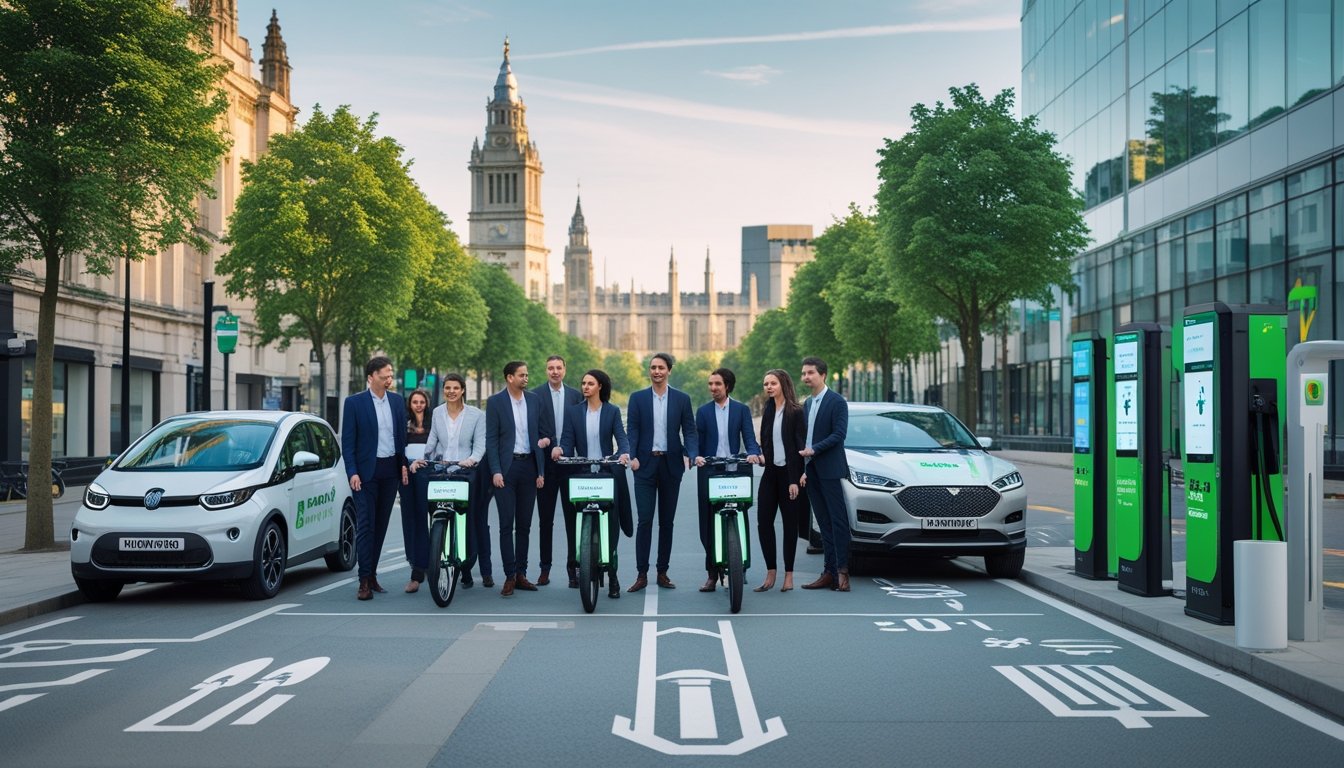
From electric vehicles and smart mobility to efficient urban planning, businesses across the UK are discovering diverse ways to integrate sustainability into their transport systems. Companies like DHL and innovative port industries are leading the way by implementing electric fleets and optimising transportation routes. These actions highlight the transformative impact of sustainable transport on business operations and societal well-being.
As we delve into the specifics of these solutions, we'll uncover how UK businesses can navigate the path to greener operations and the benefits that come with it. Our exploration will focus on actionable strategies and real-life examples that demonstrate the tangible impact of sustainable transport initiatives.
Key Takeaways
- Sustainable transport reduces carbon footprints for UK companies.
- Electric vehicles and efficient routes are key solutions.
- Green practices attract eco-conscious customers.
Key Sustainable Transportation Solutions for UK Companies
In our pursuit of sustainable transport for UK companies, we focus on embracing electrification, enhancing active travel means, and expanding public transport networks. We address issues like range anxiety and infrastructure development while ensuring sustainable urban mobility through innovative solutions.
Electrification and the Rise of Electric Vehicles
Electric vehicles (EVs) are at the forefront of the electric revolution in the UK. They play a pivotal role in reducing carbon emissions and promoting green transport. EVs, including hybrid vehicles, have become increasingly popular among businesses looking to adopt sustainable transport solutions. Their zero-emission nature is a major draw, significantly lowering the environmental impact compared to traditional internal combustion engines. Moreover, government incentives and grants have accelerated the adoption process. Data from various automobile manufacturers show a steady rise in EV uptake, with more models offering longer ranges to combat range anxiety—a common concern among prospective EV users. The innovation in battery technology and the availability of alternative fuels like hydrogen fuel further support this shift towards electrification.
Developing EV Charging Infrastructure
The development of EV charging infrastructure is crucial for the widespread adoption of electric vehicles. Adequate charging networks alleviate range anxiety and encourage more companies to transition to EV fleets. One important focus is establishing charging stations at key locations, including business districts and transport hubs. Private and public partnerships play a significant role in the rollout of these networks. As of recent data, there is a noticeable push towards increasing fast-charging facilities that minimise downtime for electric vehicle users. Initiatives in urban planning integrate renewable energy sources with charging solutions, making the entire process more eco-friendly. Governments and private enterprises need to work collaboratively to expand the charging infrastructure further, ensuring reliable and accessible services for all users.
Active Travel: Walking and Cycling Initiatives
Active travel, particularly through walking and cycling, is an essential component of sustainable urban mobility. Encouraging these practices not only benefits environmental health but also improves individual well-being. Cities across the UK are investing in enhanced urban planning to make walking and cycling more attractive. This includes creating dedicated lanes, improving safety measures, and providing necessary amenities. Initiatives like bike-sharing schemes and subsidies for purchasing bicycles further promote this mode of transport. Campaigns emphasising the physical and mental health benefits of active travel are other vital aspects. As society grows more conscious of sustainable living, it is imperative that companies incorporate and encourage these practices within their sustainability goals.
Enhancing Public Transport Networks
Enhancing public transport networks forms the backbone of sustainable transport solutions. Zero-emission buses, improved bus services, and increased frequency and coverage are crucial aspects of modernising public transport. Investments in green technologies, such as sustainable aviation fuels (SAF) and biofuels, make public transport a more attractive alternative. Transport operators are also focusing on incorporating digital solutions to improve user experience, ensuring efficiency and accessibility. Many urban centres have started integrating advanced scheduling and ticketing systems, reducing waiting times and making public transport more reliable. As companies look to minimise their carbon footprint, encouraging employees to rely on public transport becomes a viable option, fundamentally altering urban mobility landscapes.
Sustainable Logistics and Green Practices for Business Operations
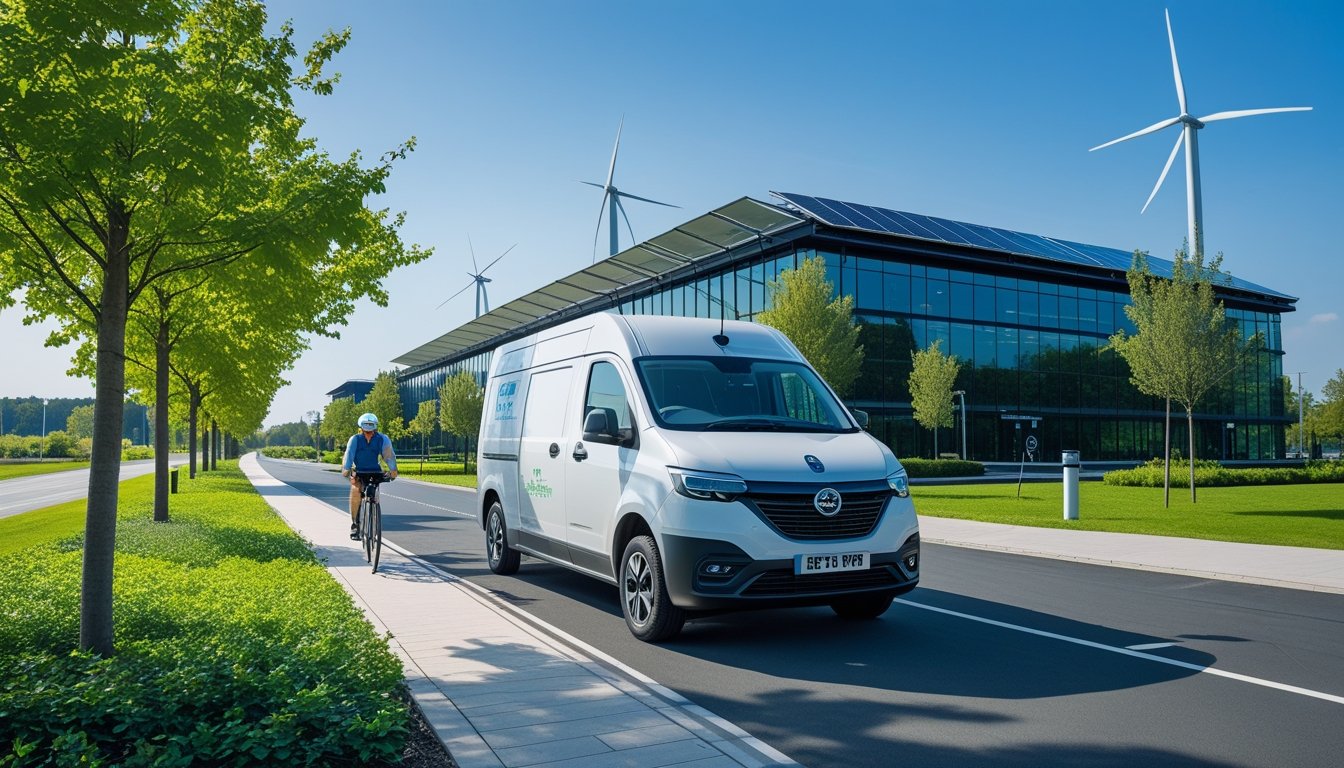
In our journey towards sustainable business operations, green logistics play a significant role. By focusing on areas such as decarbonising last-mile delivery, optimising transportation routes, implementing effective recycling measures, and engaging stakeholders, we can significantly reduce our environmental footprint and enhance energy efficiency.
Decarbonising Last-Mile and Urban Delivery
Last-mile logistics are crucial in reducing emissions, particularly in dense urban areas. In transitioning to more sustainable models, companies can adopt clean energy solutions. For instance, electric and autonomous vehicles offer a promising alternative to traditional combustion engines. Additionally, hybrid vehicles and cargo bikes can be utilised for shorter distances, lessening the environmental impact.
Implementing micro-fulfilment centres within cities can also enhance supply chain efficiency. By strategically locating these centres closer to consumers, we can decrease delivery times and reduce the carbon footprint of each journey. Collaboration with local councils and urban planning bodies ensures smoother integration of new modes of delivery and fits into existing infrastructure.
Route Optimisation and Transport Planning
Efficient route planning is a powerful tool in reducing energy consumption and emissions. Advanced routing software enables businesses to identify the most efficient paths, reduce fuel use, and minimise delivery times. This technology dynamically adapts to traffic conditions, construction zones, and weather patterns, offering real-time route adjustments.
Transport planning is equally essential in accommodating larger logistic frameworks, such as supply chains extending across regions or countries. Using data analytics, companies can better predict demand, optimise loads, and schedule regular maintenance checks to advance energy efficiency goals. Automated systems in airports and ports streamline logistics, leading to reduced idle times for vehicles and further lowering emissions.
Implementing Recycling and Waste Reduction
Sustainable logistics require robust recycling and waste management strategies. Embracing a circular economy model, where waste materials are continuously repurposed, can dramatically cut down landfill contributions. Implementing stringent recycling protocols within warehouses and fulfilment centres not only conserves resources but also aligns with environmental goals.
Recycling packaging materials and using biodegradable alternatives are practical steps. By partnering with stakeholders like suppliers and waste management authorities, we can drive innovations in recycling processes. Regular auditing and employee training ensure everyone in the logistics chain is invested in these initiatives and understands their role in waste reduction efforts.
Stakeholder and Community Engagement
Achieving sustainability in logistics is strengthened with our active participation alongside stakeholders and community members. Engaging suppliers, customers, and local organisations ensures diverse perspectives and creates a cooperative approach to environmental challenges. Encouraging feedback from the community can highlight areas of improvement and innovation in transport projects.
Collaborating with local environmental groups can amplify efforts in advocating for sustainable practices while integrating community suggestions can lead to better-tailored logistics solutions. Transparency in our operations and reporting environmental impact fosters trust and helps us meet accountability standards. By doing so, we not only fulfil regulatory obligations but also demonstrate our commitment to a greener future.
Frequently Asked Questions
In this section, we address some common questions surrounding sustainable transportation options for UK companies. We're focusing on the benefits and strategies of integrating greener solutions into business operations.
What are the key benefits of adopting electric vehicles for company fleets?
Adopting electric vehicles (EVs) significantly reduces fuel costs and carbon emissions for company fleets. EVs are seen as a forward-thinking choice that aligns with corporate sustainability goals. The reduced dependency on fossil fuels not only lessens financial risk tied to oil price fluctuations but also contributes directly to a company's green reputation.
How can UK businesses effectively integrate cycling into their employee commuting options?
Offering safe and convenient cycling facilities encourages employees to choose biking over car use. Businesses can implement secure bicycle parking, shower facilities, and even provide financial incentives to regular bicycle commuters. Partnering with local cycle hire schemes or organising cycle-to-work schemes can also promote cycling.
What incentives are available for UK companies investing in sustainable transportation methods?
Several government grants and tax benefits are available to UK companies prioritising green transportation. For example, the Plug-In Grant reduces the upfront cost of electric vehicles. Additionally, companies can take advantage of the capital allowance scheme for EV charging infrastructure, thus promoting wider use of eco-friendly fleets.
What role can telecommuting play in reducing a company's carbon footprint?
Telecommuting offers an effective means to reduce the emissions footprint of a company by cutting down on travel. By offering flexible work-from-home arrangements, businesses can decrease the number of cars on the road. This contributes to improved air quality and helps employees save on travel expenses.
How can car-sharing schemes be implemented by businesses to reduce single-occupancy vehicle trips?
Car-sharing schemes can be facilitated through internal platforms or partnerships with car-sharing services. Providing incentives for employees who participate, such as reserved parking spaces or stipends, encourages a shift away from single-occupancy trips. This is not only cost-effective but also reduces congestion and emissions.
What strategies can be used for effectively promoting public transport among employees?
To foster public transport use, companies can subsidise public transport passes or offer journey planning support to employees. Highlighting the benefits and creating awareness of nearby public transport options can increase uptake. Hosting information sessions or providing apps for real-time travel information are practical ways to support this transition.